Start with an equipment record people can use
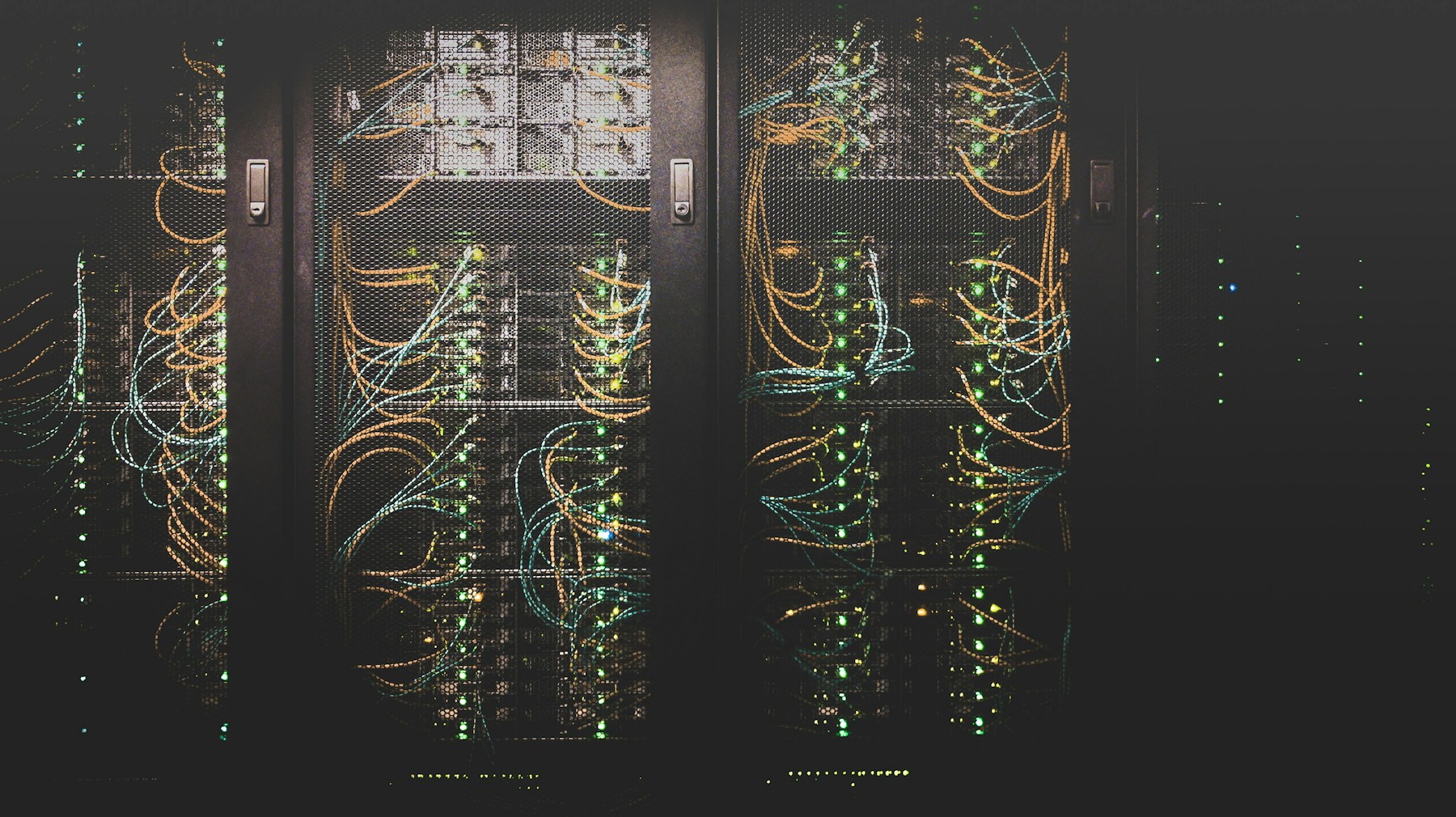
Keep an inventory that connects equipment to its location and purpose. Include the responsible service contact and the support arrangements that apply. Store administrative access securely under the business’s control, with an appropriate handoff process. Clear labels and records help a technician investigate the right system and reduce the time spent reconstructing how an installation was intended to work.
Ask whether the daily tasks still work
Choose a few real tasks that reflect how the business uses its systems. Retrieve a recent recording, place and transfer a call, run the usual AV source and confirm an authorized access workflow. Have the relevant staff report confusing controls or changes in behavior. These observations complement automated device checks and help reveal issues that are easy to miss from a remote status screen.
Plan changes around operating hours
Equipment updates, adjustments and physical work should have a defined owner and a suitable time. Discuss the expected interruption and how success will be checked before work begins. Keep a record of important changes and any remaining actions. The maintenance plan should reflect the business calendar, including events or peak trading periods when a short interruption may have an outsized effect.
Keep alarm maintenance in its own scope
Fire and burglar alarm systems have their own inspection, testing, maintenance and monitoring considerations. Coordinate that work with the appropriate providers and the requirements established for the property. Do not assume a general network support arrangement covers those responsibilities. Keep alarm service records and contact details alongside the wider system documentation so the right people can be reached when needed.
Combine 24/7 checks with periodic review
AI-assisted health checking can help surface outages and recurring conditions on supported systems, while a scheduled conversation turns those observations into a plan. Review what changed, which issues returned and what the business needs next. Liflux brings installation and ongoing care into the same conversation, helping businesses across New Jersey and Philadelphia keep the technology behind their daily work understandable and supported.
Put the ideas to work.
Every space has its own requirements. Let’s talk through yours and build a practical project scope.
Talk with Liflux